

In short,
- Early detection of chronic kidney disease (CKD) is crucial for effective kidney disease treatment.
- Nephrologists create personalized treatment plans tailored to individual patient needs.
- Lifestyle changes, medication, and regular monitoring are essential to managing CKD progression.
Understanding Chronic Kidney Disease and Its Treatment
This guide explains chronic kidney disease (CKD) in patient-friendly terms, detailing its impact and outlining the journey from initial symptoms to comprehensive kidney disease treatment. Early intervention and effective management are vital for improving long-term health outcomes and quality of life.
The kidneys, two bean-shaped organs located below the rib cage, do more than filter waste. They also produce hormones that regulate blood pressure, red blood cell production, and bone health. When kidney function declines, these critical processes are disrupted, leading to a cascade of health problems. Early-stage chronic kidney disease (CKD) often has no symptoms, making regular check-ups essential, especially for those at risk, such as individuals with diabetes or high blood pressure.
Nephrologists, specialists in kidney health, are crucial for diagnosing CKD, tracking its progression, and creating personalized kidney disease treatment plans. Their expertise is essential in managing the complexities of kidney disease, from addressing symptoms to preventing complications.
According to the National Institutes of Health, early and consistent engagement with a nephrologist can significantly alter the disease trajectory, preserve kidney function, and enhance overall well-being.
What is Chronic Kidney Disease (CKD)?
Chronic kidney disease (CKD) involves the gradual, long-term loss of kidney function, requiring ongoing kidney disease treatment. The kidneys are vital organs that filter waste products, excess fluid, and toxins from the blood, producing urine. They also maintain electrolyte balance, regulate blood pressure, and stimulate red blood cell production.
As CKD progresses, these essential functions diminish, leading to waste buildup, fluid retention, and other systemic issues. Without proper kidney disease treatment, CKD can progress to end-stage renal disease (ESRD), a severe condition where the kidneys fail. According to Mayo, at this stage, dialysis or a kidney transplant becomes necessary.
The Stages of CKD and Early Detection
CKD is classified into five stages based on the glomerular filtration rate (GFR), a measure of how well the kidneys filter blood. Stage 1 indicates mild kidney damage with a normal GFR, while Stage 5 signifies kidney failure requiring advanced kidney disease treatment like dialysis or a transplant.
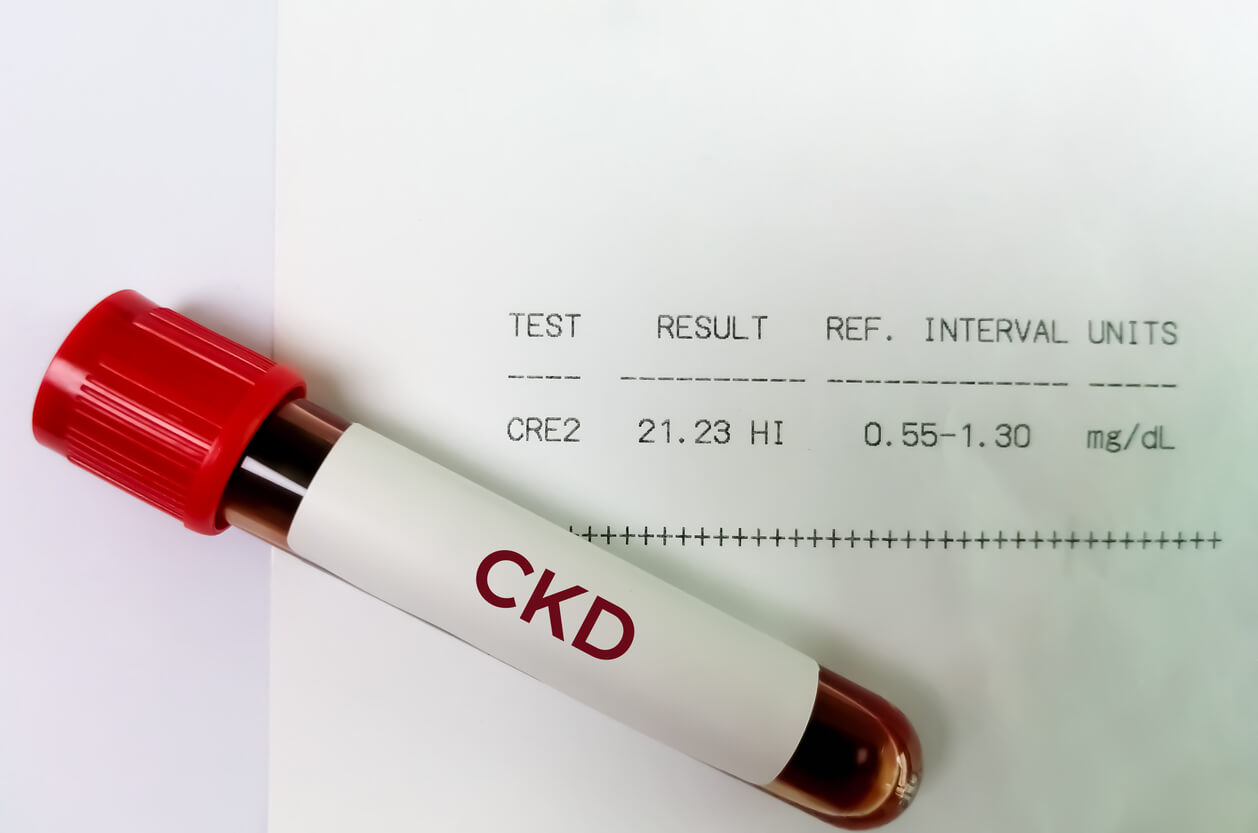
Early stages often present without noticeable symptoms, making routine screening essential for at-risk individuals, such as those with diabetes, hypertension, or a family history of kidney disease. Blood tests to check creatinine levels (to estimate GFR) and urine tests for albumin (a protein indicating kidney damage) are key diagnostic tools. Early detection allows for timely interventions, slowing CKD progression and improving outcomes.
The Nephrologist’s Role in Diagnosis and Assessment
Nephrologists are at the forefront of diagnosing and managing CKD. Their comprehensive approach includes:
- Reviewing medical and family history, including kidney disease, diabetes, or hypertension.
- Performing physical exams to identify signs of kidney issues, such as:
- Swelling (edema)
- High blood pressure
- Anemia
Nephrologists also interpret advanced lab results and imaging studies to determine the stage and underlying cause of CKD. For example, a patient with poorly controlled diabetes might present with fatigue and swelling.
A nephrologist would order specific tests, such as a urine albumin-to-creatinine ratio and a renal ultrasound, to confirm CKD and develop a personalized kidney disease treatment plan.
Comprehensive Treatment Strategies for CKD
Treating CKD involves a multifaceted approach aimed at slowing disease progression, managing symptoms, and preventing complications. Nephrologists create personalized kidney disease treatment plans based on the patient’s CKD stage, underlying causes, and lifestyle.
Key kidney disease treatment goals include:
- Controlling blood pressure with medications like ACE inhibitors or ARBs.
- Managing blood sugar levels in diabetic patients.
- Reducing proteinuria (protein in urine).
- Addressing anemia and bone mineral disorders.
This comprehensive approach often involves a team of healthcare professionals, such as dietitians and pharmacists, working with the nephrologist.
Lifestyle Modifications and Dietary Management
Lifestyle changes are foundational to effective kidney disease treatment. A kidney-friendly diet, often guided by a renal dietitian, typically includes:
- Reducing sodium intake to control blood pressure.
- Limiting protein to decrease kidney workload.
- Managing potassium and phosphorus levels to prevent complications.
Patients are also encouraged to maintain a healthy weight, engage in regular physical activity, and quit smoking to improve cardiovascular health and slow CKD progression.
Pharmacological Interventions
Medications play a critical role in kidney disease treatment. Commonly prescribed drugs include:
- ACE inhibitors or ARBs: To control blood pressure and reduce proteinuria.
- SGLT2 inhibitors: To slow CKD progression, especially in diabetic patients.
- Erythropoiesis-stimulating agents (ESAs): To manage anemia.
- Phosphate binders and vitamin D analogs: To address bone mineral disorders.
- nsMRAs (like Finerenone): A newer class of medication that blocks hormones causing inflammation and scarring in the kidneys, frequently used for diabetic kidney disease.
Careful medication management, including dosage adjustments based on kidney function, is essential to optimize treatment and minimize side effects.
Managing Advanced CKD and End-Stage Renal Disease (ESRD)
As CKD progresses to advanced stages, nephrologists focus on managing severe complications and preparing patients for kidney replacement therapy.
This includes monitoring for issues like metabolic acidosis, hyperkalemia, and worsening anemia, as well as educating patients about dialysis and kidney transplantation options.
Dialysis
Dialysis is a life-sustaining kidney disease treatment that filters waste products and excess fluid from the blood when the kidneys fail. There are two main types:
- Hemodialysis: Performed at a clinic using a machine to filter blood.
- Peritoneal Dialysis: Conducted at home using the abdominal lining (peritoneum) as a natural filter.
The choice between these modalities depends on the patient’s medical condition, lifestyle, and preferences, and should be made in consultation with a nephrologist.
Kidney Transplantation
For eligible patients, kidney transplantation offers the best long-term solution for ESRD. Nephrologists guide patients through the evaluation process, helping them understand the benefits and risks of transplantation as part of their kidney disease treatment plan.
Frequently Asked Questions
What foods should you avoid if you have kidney disease?
A personalized diet plan is essential for effective kidney disease treatment. Generally, you may need to limit foods high in sodium, potassium, and phosphorus. Always consult your doctor or dietitian for specific advice.
How do you treat Stage 1 kidney disease?
Stage 1 CKD treatment focuses on managing underlying causes like high blood pressure or diabetes. Lifestyle changes, including diet and exercise, are key. Early intervention is crucial for effective kidney disease treatment.
How can you live a long life with kidney disease?
Proactive management is essential. Follow your doctor’s kidney disease treatment plan, maintain a healthy lifestyle, and attend regular check-ups to ensure the best long-term health outcomes.
Find Kidney Disease Treatment in Dorchester, MA
Navigating the complexities of kidney disease requires expert guidance and a compassionate healthcare team. From managing early-stage CKD to exploring advanced treatments like dialysis and transplantation,
Commonwealth Nephrology Associates in Massachusetts is committed to providing personalized care every step of the way. We partner with you to develop a comprehensive treatment plan that fits your health needs and lifestyle, empowering you to manage your condition effectively.
To learn more about our services or schedule an appointment, use our online appointment request form or call us at (617) 739-2100.
