


The kidneys are important for overall health, and keeping them functioning at their best helps to prevent health problems in the future. One in three people is at risk of kidney disease, which can lead to lifelong problems including heart disease, high blood pressure, nerve damage, and kidney failure. By following these simple steps, you can improve how your kidneys function. Watch What You ... Read More ->
Welcome to Our Blog
How to Keep Your Kidneys Healthy

It is possible to live a normal life with only one kidney, but why would you want to go down that road when it’s much easier to keep both of your kidneys healthy? Here are simple self-care strategies you can employ to help ensure the optimal health and function of your kidneys. Keeping Yourself Adequately Hydrated While the kidneys of a healthy adult are capable of flushing out up ... Read More ->
Hypertension Treatment: Lifestyle Changes that Can Help

While hypertension is notorious for being “a silent killer,” you don’t have to live in fear and denial if you’re diagnosed with it. By working closely with your doctor and making the necessary lifestyle modifications, you can successfully manage your condition and avoid serious health complications. Below, we’ve outlined some essential lifestyle tweaks you can employ to help effectively control ... Read More ->
How to Keep Your High Blood Pressure in Check

According to recent statistics from the Centers for Disease Control and Prevention (CDC), roughly 47 percent of adults in the United States are living with hypertension—a condition in which the blood pressure is chronically elevated, exceeding 130/80 mmHg. If you’re a statistic, it’s not enough that you merely rely on your medications to manage your condition—getting involved in your treatment ... Read More ->
Chronic Kidney Disease: Signs You Need to See a Kidney Doctor
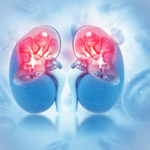
Chronic kidney disease (CKD) is one of the most common kidney conditions in the United States, affecting roughly 37 million Americans. Despite its prevalence, approximately 90 percent of people living with CKD are unaware that they have it. Experts dub chronic kidney disease a “silent killer,” because the condition usually produces few and nonspecific symptoms, and thus, it often goes undiagnosed ... Read More ->
